

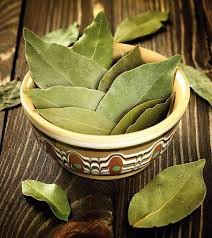
Bay Leaves (Dry) are aromatic, earthy, slightly bitter leaves from the laurel tree, essential for slow-cooked dishes like soups, stews, and sauces, adding depth of flavor as they release oils during simmering; they’re stored in airtight containers, used sparingly (remove before serving!), and offer fragrance for potpourri too, with Turkish/Mediterranean varieties being common, while California laurel is stronger.
Key Information
- Source: The most common culinary bay leaf comes from the bay laurel tree (Laurus nobilis), also known as sweet bay.
- Flavor Profile: The leaves contain essential oils (like eucalyptol) that release a mild, herbal, and slightly floral aroma reminiscent of oregano and thyme when cooked. Fresh leaves are more pungent and develop a mellower, richer flavor as they dry and are cooked slowly.
- Usage: They are an essential component in a bouquet garni (a bundle of herbs) and used across Mediterranean, Indian, and Caribbean cuisines. They complement meats, seafood, vegetables, rice, and pickling brines.
- Safety: Bay leaves are not poisonous, but they remain stiff even after cooking and may pose a choking hazard or cause harm to the digestive tract if swallowed whole. They are removed purely for physical safety and palatability.
- Forms: They are available as whole dried leaves (most common), fresh leaves, or ground powder. Ground bay leaf is stronger and doesn’t need to be removed but should be used in smaller quantities.
Common Varieties
| Variety | Botanical Name | Flavor Notes |
|---|---|---|
| Turkish Bay | Laurus nobilis | The standard culinary bay leaf, with a mild, green, and slightly clove-like aroma. |
| California Bay | Umbellularia californica | More slender with a stronger, more intense, sometimes medicinal or menthol-like flavor due to the compound umbellulone. |
| Indian Bay | Cinnamomum tamala | Also known as malabathrum or tej patta, it has three veins running the length of the leaf and a fragrance and taste similar to cinnamon bark. |


